In brief
In LASIK, a thin flap is created in the cornea, excimer laser is applied to the tissue underneath and the flap is laid back in place. Vision usually clears quickly within a day or two. It is suitable for people whose corneal thickness and structure allow it.
How is LASIK performed?
The eye is numbed with drops and a lid speculum keeps the eyelids open. A thin corneal flap is created with a microkeratome or a femtosecond laser. The flap is lifted, the individually calculated excimer laser treatment is applied and the flap is replaced. It adheres without stitches. The procedure takes a few minutes per eye.
Recovery
Burning, watering and light sensitivity may occur for a few hours. For most people vision is noticeably clearer the next day, when a check-up is usually done.
- Not rubbing the eye in the first days is very important, as the flap can move.
- Use the drops as instructed.
- Keep water out of the eye and avoid pools and the sea for a while.
- Resume eye make-up and contact sports only after the period your doctor recommends.
LASIK or PRK?
LASIK offers faster, more comfortable recovery. Because PRK does not involve a flap, it may be more suitable for thinner corneas and for people in sports with a high risk of eye impact. The choice is based on corneal measurements and lifestyle.
Frequently Asked Questions
When can I return to work after LASIK?
Most people with desk jobs return within a few days. Your doctor will advise you based on the follow-up examination.
What is night vision like after LASIK?
Halos and glare around lights may occur in the first weeks; these usually decrease over time.
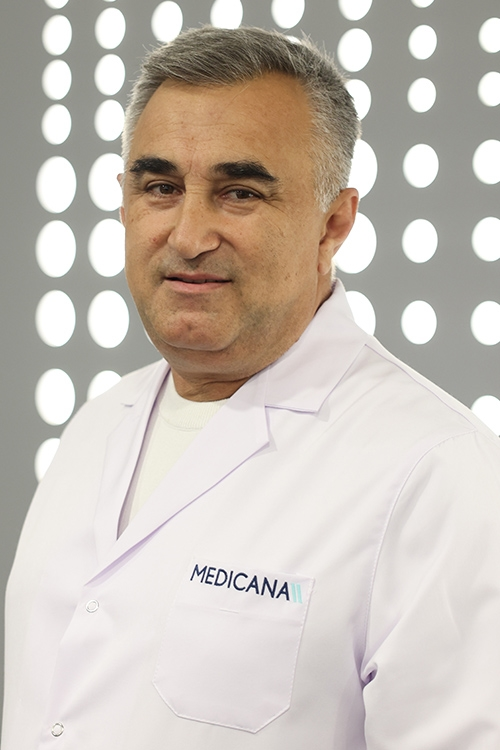
Ophthalmologist
The information on this page was prepared by Opr. Dr. Şehvar Nefesoğlu.
The information on this page is for general information only and does not replace an examination, diagnosis or treatment. The right treatment for you can only be decided after an eye examination.