In brief
Dry eye occurs when the eye surface is not adequately moistened because tears are produced in insufficient amounts or evaporate too quickly. It causes burning, stinging, a gritty feeling and, paradoxically, watering. It is often chronic, but symptoms can be significantly reduced with the right treatment and daily measures.
Symptoms
- Burning, stinging, a gritty or foreign body sensation
- Red eyes
- Watering that increases in wind or cold
- Blurred vision that fluctuates and improves with blinking
- Difficulty wearing contact lenses
- Tiring quickly when reading or using screens
Causes
- Prolonged screen use (blinking decreases)
- Ageing and hormonal changes such as menopause
- Dysfunction of the oil glands in the eyelids (meibomian gland dysfunction)
- Contact lens wear
- Air-conditioned, dry and windy environments
- Some medicines (antihistamines, some antidepressants and blood pressure drugs)
- Sjögren’s syndrome and rheumatic diseases
- A temporary period after laser and other eye surgery
Diagnosis
Tear volume and how quickly the tear film breaks up are measured, the eye surface is examined with special dyes and the eyelid margins are assessed. This identifies the type of dry eye so treatment can be planned accordingly.
Treatment and tips
- Artificial tear drops and gels; preservative-free products are preferred for frequent use
- Lid hygiene and warm compresses to improve oil gland function
- Prescription anti-inflammatory drops (under medical supervision)
- Punctal plugs in the tear ducts
- Reviewing underlying diseases and medicines
In daily life, looking into the distance for 20 seconds every 20 minutes at a screen, blinking consciously, humidifying the room, keeping air conditioning and fans from blowing on your face and drinking enough water all help.
Frequently Asked Questions
My eyes water – can it still be dry eye?
Yes. When the eye surface dries and becomes irritated, it can reflexively produce excess tears. This watering is a common symptom of dry eye.
How long can I use artificial tears?
Preservative-free artificial tears can be used safely long-term. If symptoms persist, an examination is needed to consider other treatments.
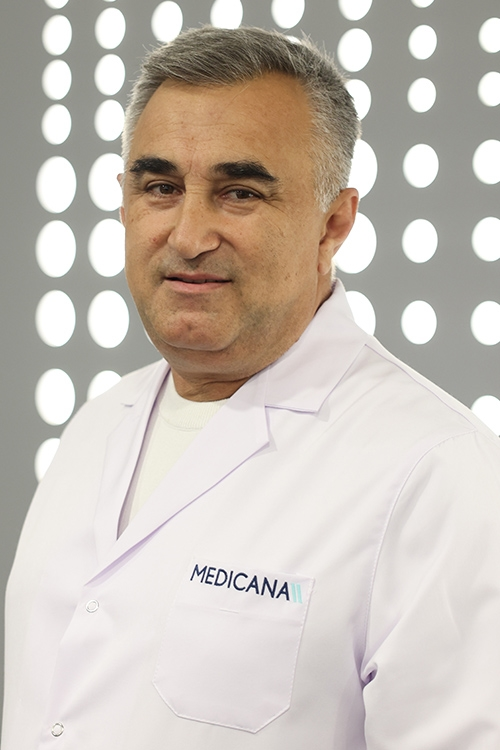
Ophthalmologist
The information on this page was prepared by Opr. Dr. Şehvar Nefesoğlu.
The information on this page is for general information only and does not replace an examination, diagnosis or treatment. The right treatment for you can only be decided after an eye examination.